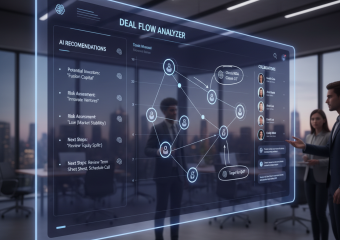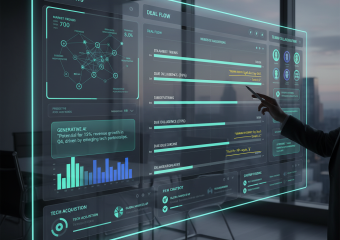
Why Certified Human Specialists Power Modern AI Matchmaking
Why Certified Human Specialists Power Modern AI Matchmaking
AI-driven matchmaking platforms are transforming how enterprises find suppliers, partners, and customers. Yet as algorithms scale discovery, a growing number of B2B buyers and sellers are turning to human specialists to ensure those matches are accurate, context-aware, and commercially viable. Certified human specialists bring domain knowledge, judgment, and trust — capabilities that strengthen AI automation without replacing it.
Where AI excels — and where humans add value
Machine learning models are fast at pattern matching, scoring prospects, and surfacing candidates based on structured signals. They are ideal for processing large datasets and identifying statistically relevant connections.

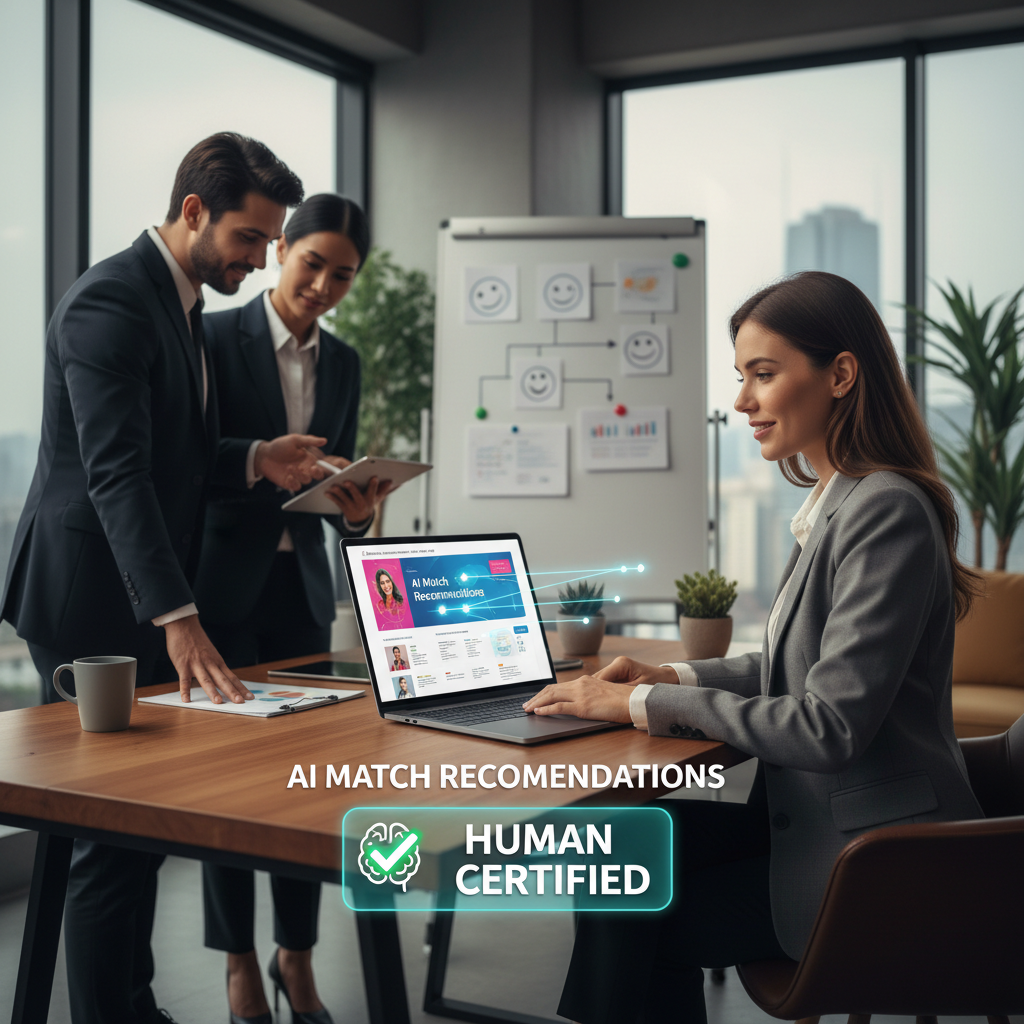
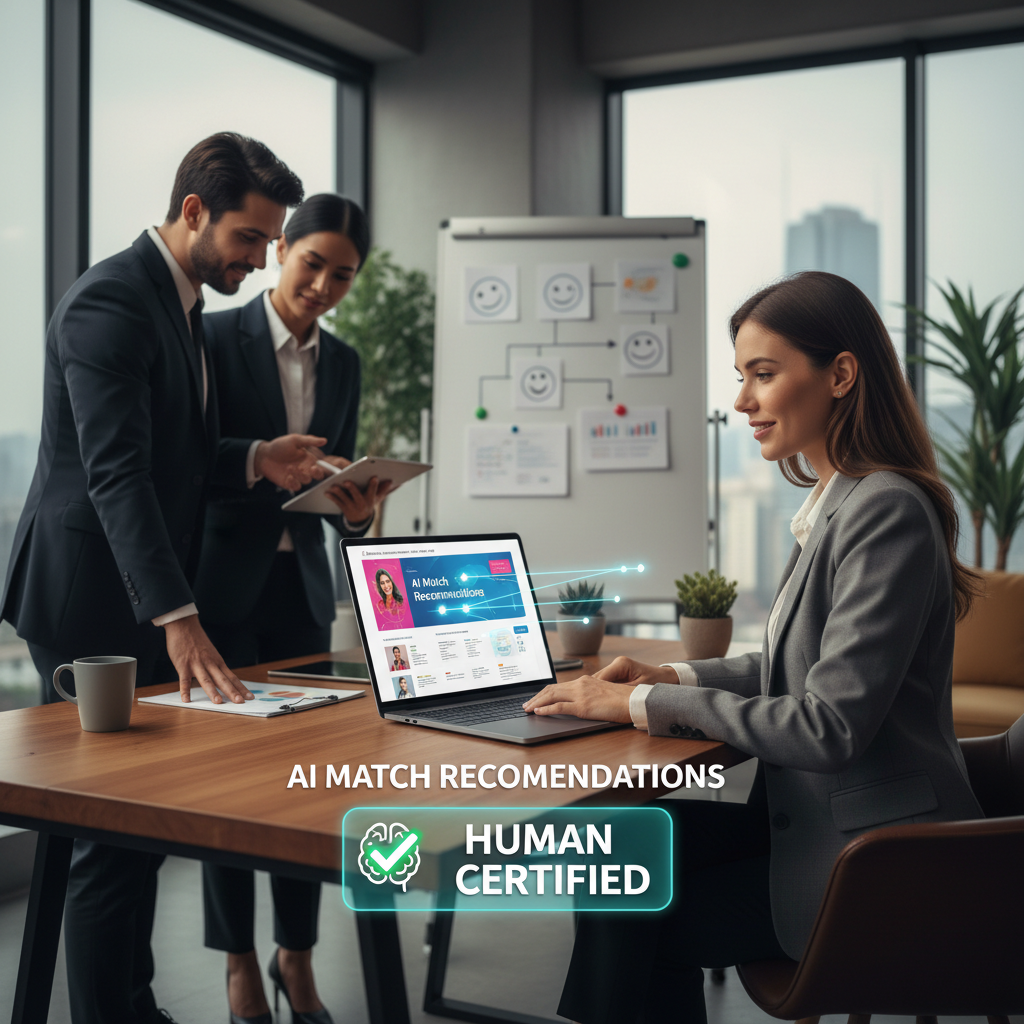
Human specialists in AI matchmaking complement that strength by addressing gaps that machines struggle with: implicit context, ambiguous requirements, regulatory nuance, and relationship sensitivity. In practice, this means humans refine algorithmic output to align matches with real commercial intent.
Core activities certified specialists perform
- Reviewing context: Interpreting organizational goals, product roadmaps, and informal constraints that don’t map neatly to data fields.
- Verifying information: Checking credentials, references, and documentation to reduce false positives flagged by automation.
- Clarifying needs: Conducting interviews or structured discovery sessions to translate business objectives into measurable matchmaking criteria.
- Managing sensitive introductions: Coordinating NDAs, escalation protocols, and stakeholder alignment for high-value opportunities.
Why certification matters in a human-in-the-loop model
Certification provides a standard for skills, process adherence, and ethics. When human specialists are certified, buyers and platform operators can expect consistent handling of verification tasks, confidentiality controls, and escalation decisions. Certification typically covers:
- Data handling and privacy best practices
- Domain-specific vetting procedures (e.g., healthcare, finance)
- Ethical guidance for bias mitigation
- Communication and stakeholder management standards
These standards reduce operational risk and make it easier to audit interactions that follow algorithmic recommendations.
When to route matches to a human specialist
Not every match needs human review. Well-designed platforms use rule-based triggers or confidence thresholds to route only the cases that benefit most from human judgment. Practical triggers include:

- Low-confidence algorithmic scores or conflicting signals
- Complex regulatory or compliance requirements
- High contract value or strategic importance
- Cross-border negotiations with cultural or legal nuances
Example scenarios
Consider a healthcare provider seeking a clinical data integration partner. The AI can shortlist firms with the right technical profile, but certified human specialists will validate HIPAA compliance, ask clarifying questions about data governance, and coordinate legal review before an introduction.
In another case, a multinational corporation evaluating a strategic supplier in a different jurisdiction may require human-led due diligence on local ownership, tax exposure, and reputational risk — items that often live outside algorithm-ready datasets.
How human specialists improve AI over time
Human review isn’t just a safety net; it creates feedback that makes AI systems better. When specialists annotate edge cases, confirm or reject matches, and document rationale, platforms can use that labeled data to refine models and rules. This continuous learning loop reduces the volume of human intervention needed over time while improving match quality.
Integrating certified specialists into workflows
Adopting a human-in-the-loop approach requires clear workflows and metrics. Practical steps for B2B platforms and procurement teams include:
- Define thresholds and triggers for human review
- Establish certification standards and onboarding for specialists
- Set SLAs for response times and decisioning
- Capture structured feedback to retrain models
- Maintain audit trails for compliance and transparency
Balancing automation and expertise
AI automation yields scale and speed; certified human specialists add precision and trust. For business matchmaking where complexity, sensitivity, or value is high, the combination is more robust than either approach alone. Importantly, organizations should design systems that use humans strategically — for verification, context, and relationship support — rather than as an ad hoc fallback.
When implemented thoughtfully, human specialists in AI matchmaking act as a quality-control layer and a strategic adviser. They help translate raw algorithmic suggestions into commercially meaningful introductions while preserving data integrity and stakeholder confidence.
Neither automation nor human expertise can guarantee outcomes, but together they increase the likelihood that matches are relevant, reputable, and ready for commercial engagement.